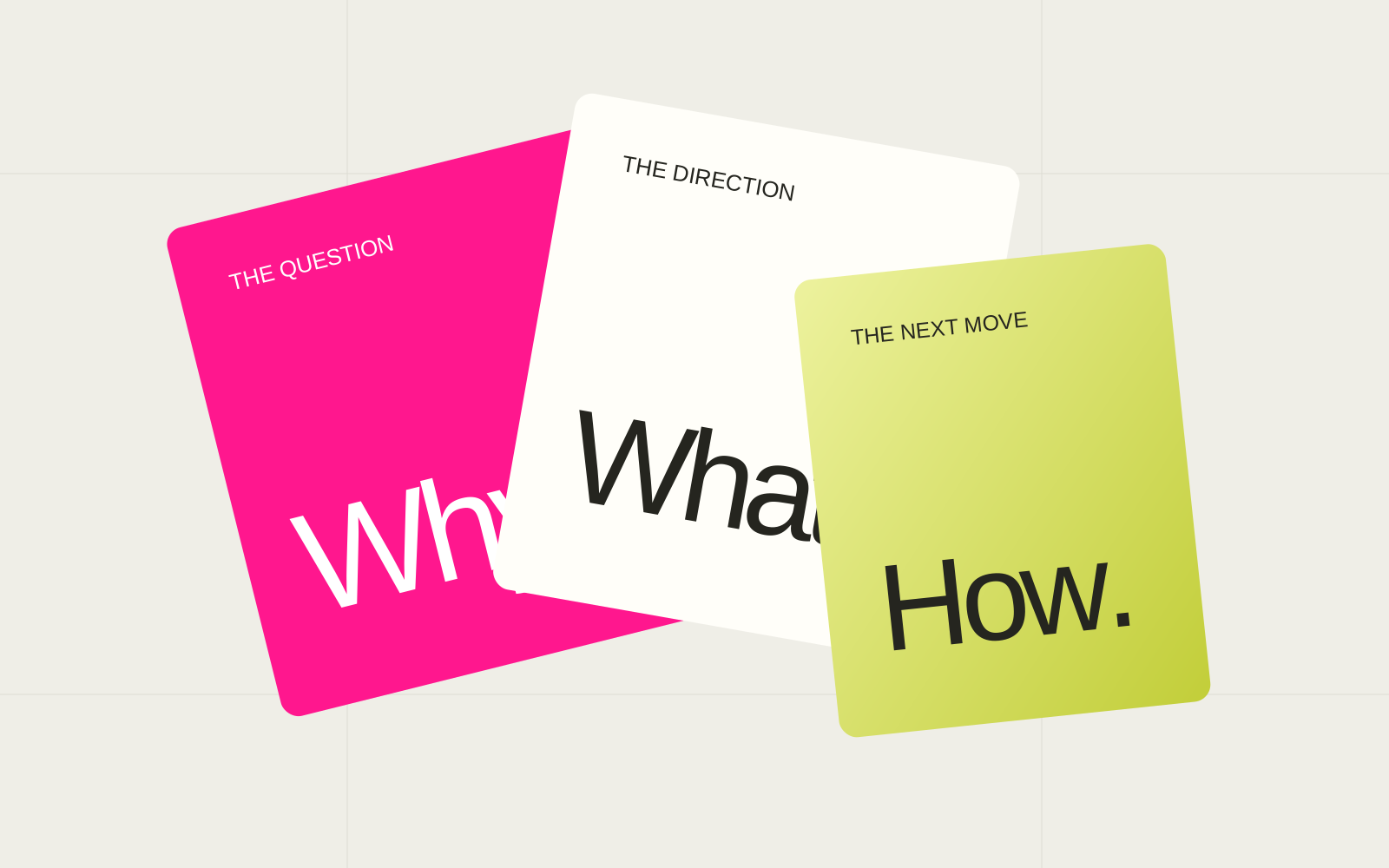
A content system, not just a calendar.
A publishing schedule tells you when. A useful content system also explains what, why and how each piece belongs to the same story.

Start with something worth saying.
A calendar can be full while the message remains unclear. Before choosing a posting rhythm, decide what the audience should understand about the business. Collect the questions they bring, the decisions they face and the parts of the work that deserve a closer look.
For a design-led retailer, those themes might include the object itself, its use in everyday life and the thinking behind it. The themes give each piece a purpose. They do not require a claim that every product changes a life or every post contains a new announcement.
Give the themes different roles.
One piece might introduce an idea. Another can explain a detail. A third may answer a common question. They can belong to the same visual family without repeating the same layout, footage or opening line. Decide the role before selecting the format.
A short film, a photograph and a written explanation offer different ways to approach the subject. Choose the one that makes the idea clearest. Reusing a brand mark is consistency; recycling an unrelated clip because it is already downloaded is a different decision. Keep the distinction visible in the creative brief.
Consistency is a shared point of view, not the same post again.
Endgame perspective
Make the system practical to use.
A content system should help the people making the next piece. Keep a small library of approved language, visual rules and examples. Record where media came from and what its licence permits. Make ownership and review steps clear enough that an everyday update does not become a new brand exercise.
Leave room for variation. A shared type hierarchy and a recognisable tone can connect a quiet product explanation with a more expressive campaign. Document the decisions that need to stay consistent, not every possible arrangement of a page.
Review usefulness before volume.
After publishing, ask whether the content answered the question it was made for. Look at the responses available to the team and separate a useful signal from a one-off reaction. Avoid turning a single number into the entire definition of quality.
Use that review to shape the next piece. Perhaps the explanation needs to be clearer, the example more concrete or the route to the relevant service easier to find. A calendar still matters, but it becomes the delivery plan for a point of view rather than a list of spaces to fill.